A look at the technology behind our platforms

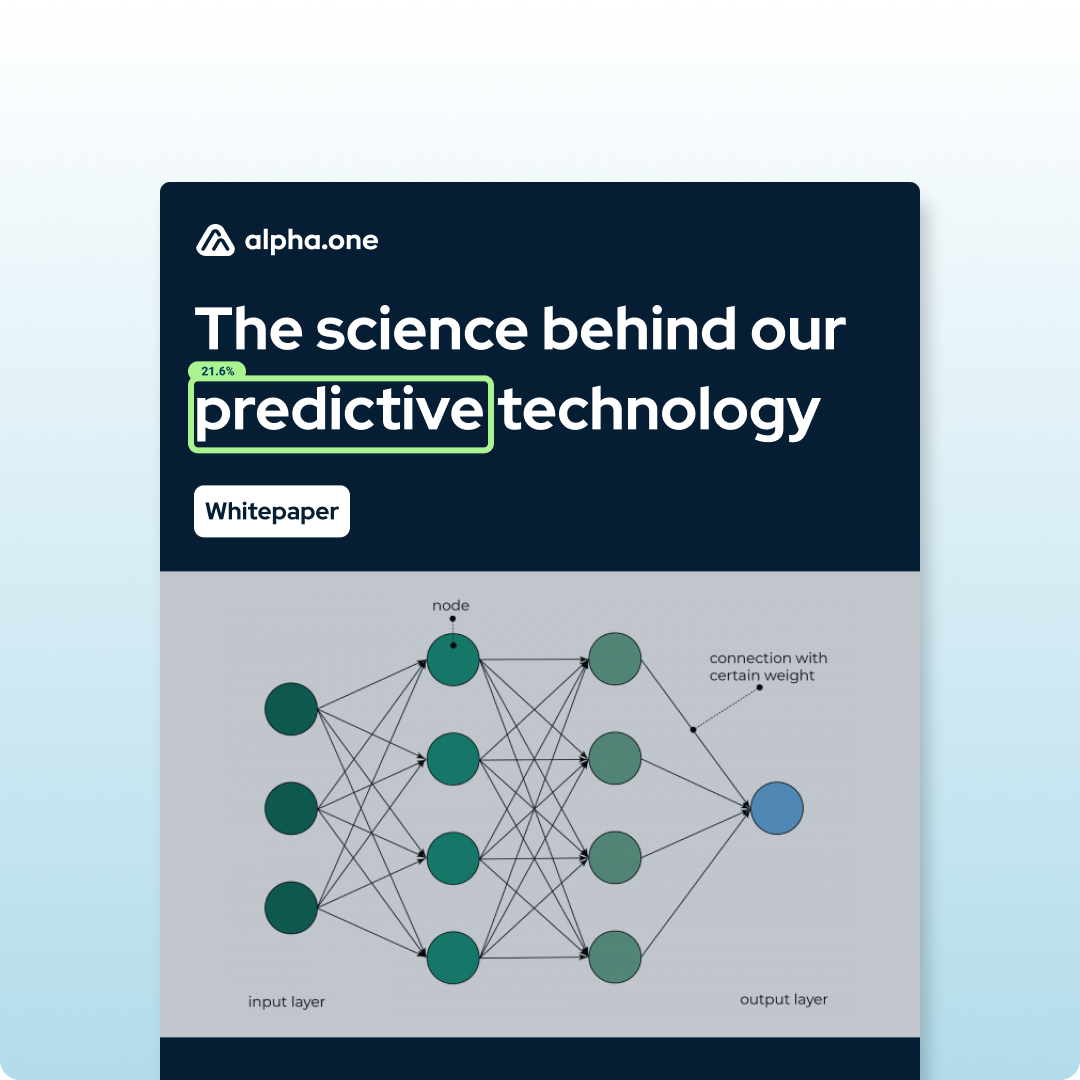
Visualisation of an artificial neural network (ANN) on a cover page
A picture of Coert van Gemeren
Written by

Coert van Gemeren

Predict Human Attention with Algorithmic Precision

‍Predictive attention technology is an applied AI framework that uses artificial neural networks trained on massive human datasets to simulate eye-tracking. By analyzing visual data, it generates accurate fixation maps in seconds, eliminating the logistical constraints and personal biases of traditional eye-tracking studies.  

Traditional eye-tracking relies on small participant pools prone to localized bias. alpha.one replaces these limitations with scalable, evidence-based science. Our proprietary neural network architecture is trained on the true visual responses of thousands of people to predict what naturally draws the human eye.  

Operating entirely in a rapid online environment, our infrastructure processes static images in seconds and complete videos in minutes—delivering instant attention metrics through junbi, expoze, and the alpha.one api. (To optimize your creative structure further, read our guide on measuring Visual Complexity).  

Validated Against the MIT Saliency Benchmark

‍The data confirms our accuracy. Validated against the gold-standard MIT Saliency Benchmark using similarity scoring (SIM) and Area Under the Curve (AUC), our technology consistently outperforms standard competitive models and single-human panels.

Unlock the complete mathematical models, precision curves, and deeper verification data behind our attention infrastructure below.

Related Insights
Headshot of Marc de Swaan Arons on a blue gradient background with the text: "The Marketer the Business Needs Right Now."

The Marketer the Business Needs Right Now: An Interview with Marc de Swaan Arons

Based on the study by Marc de Swaan Arons, CMOs must shift from managing budgets to architecting enterprise growth and leveraging human empathy alongside A

READ MORE
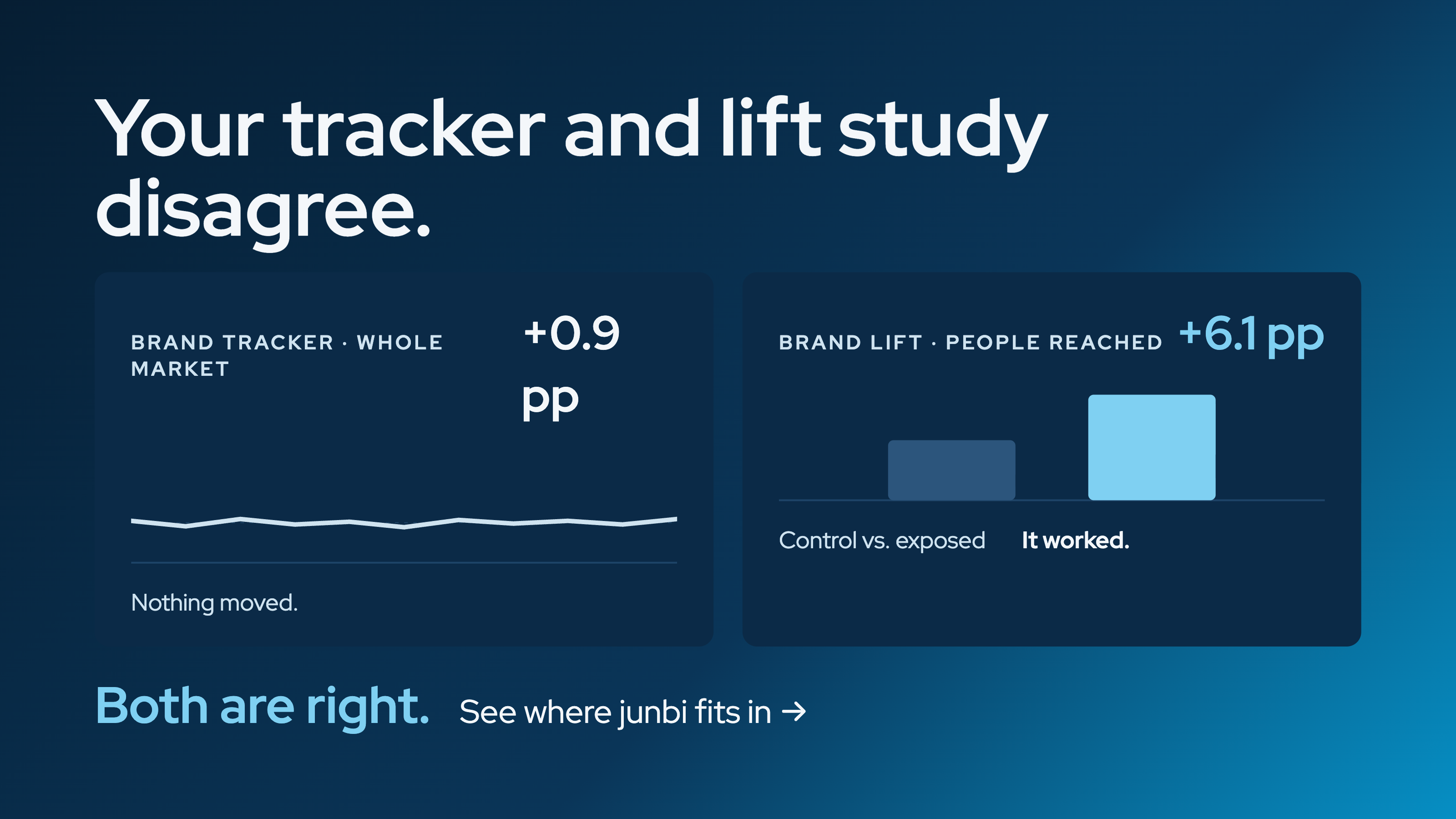
Infographic titled "Your tracker and lift study disagree" comparing a Brand Tracker result (+0.9 pp, flat line, "Nothing moved") against a Brand Lift study result (+6.1 pp, bar chart, "It worked"), concluding with "Both are right."

The Measurement Paradox: Why Your Brand Tracker and Lift Study Can Disagree

Your brand lift says it worked. Your tracker says nothing moved. Learn why both are right and build a measurement stack that ends the standoff.

READ MORE
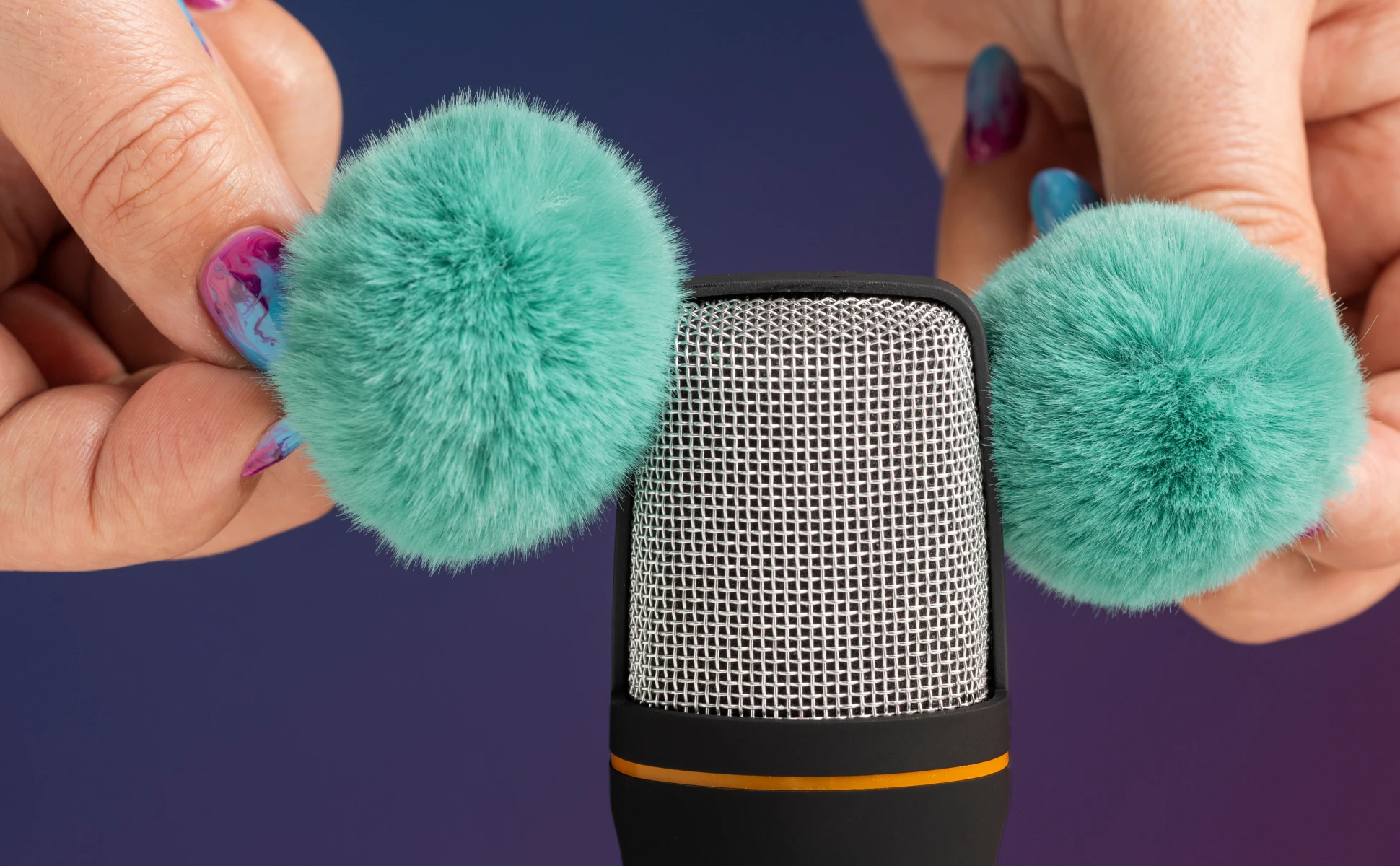
A close-up of hands holding fluffy teal pom-poms next to a black microphone mesh, creating ASMR sounds against a gradient blue and purple background.

The Science of "Tactile Audio": How Sound Tricks the Brain into Feeling Your Product Through a Screen

Auditory cues trick the brain into feeling digital products, boosting perceived quality and sales when paired with process-focused ad framing.

READ MORE

Subscribe to our monthly newsletter.

Stay ahead of the competition with a monthly summary of our top articles and new scientific research.