Definition
The Actor vs. Observer Mindset represents the psychological shift between passively evaluating a presenter’s personality and physical appearance (Observer State) versus internalizing and directly experiencing product usage (Actor State). In consumer neuroscience and video ad optimization, shifting prospective buyers from an Observer mindset into an Actor mindset activates premotor pathways, driving embodied mental simulation and maximizing purchase intent.
How It Works: The Applied Science
When consumers view an advertisement featuring a spokesperson or influencer, their brain defaults to an Observer Mindset. In this state, the viewer’s visual cortex and social processing networks prioritize facial expressions, clothing, and body language. While social cues capture attention, they often trap the viewer in passive evaluation of the person rather than the product.
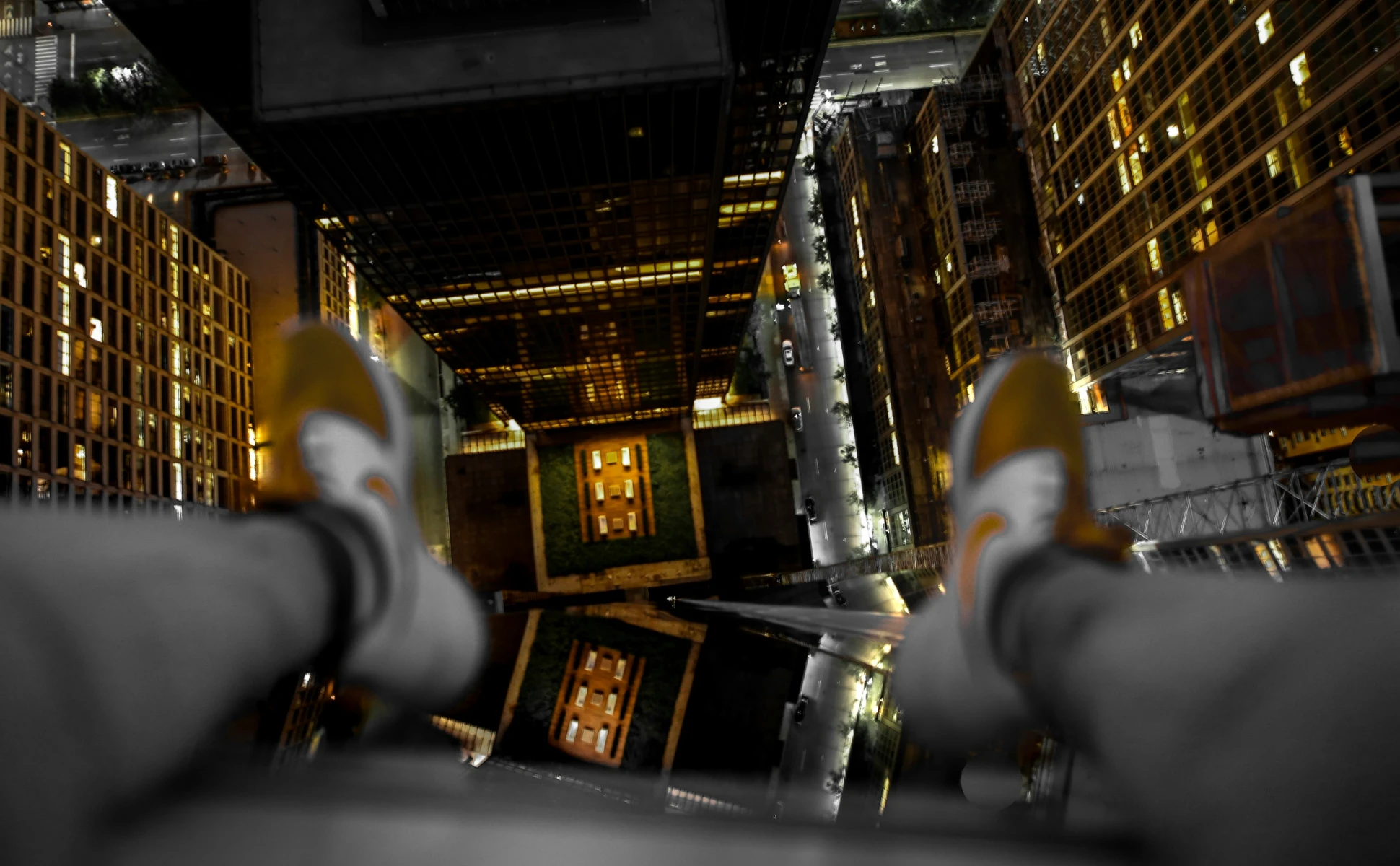
To drive active purchase consideration, creative framing must shift the viewer into an Actor Mindset. In this state, facial distraction is eliminated, allowing the viewer's motor cortex to adopt the first-person perspective of using the product.
Why It Matters for Marketers
Failing to trigger the Actor Mindset leaves campaigns vulnerable to high view counts with poor conversion rates:
- Eliminates social distraction: Shifting attention away from presenter demographics ensures the product receives the most visual salience.
- Accelerates purchase decisions: Viewers in an Actor Mindset build instant psychological ownership, dramatically reducing hesitation at the point of purchase.
- Maximizes short-form feed ROI: On platforms like TikTok, Instagram Reels, and YouTube Shorts, converting viewers into "Actors" within the first 2 seconds prevents immediate scrolling.
Real-World Examples: Triggering the Actor State
Marketers engineer the Actor Mindset by adjusting perspective and visual focus across key creative formats:
- Spokesperson vs. POV Demo: A traditional presenter holding a blender forces the audience into an Observer state, critiquing the host. Switching to a top-down POV shot of hands adding ingredients into the blender shifts the viewer into an Actor state, mentally executing the recipe.
- Fashion & Wearables: Showing a model walking down a runway keeps viewers in an Observer mindset. Transitioning to a first-person perspective, showing hands buttoning a jacket or checking a smartwatch screen prompts viewers to project themselves into the experience.
- App & Tech Onboarding: Showing a user smiling at a desk relies on passive social evaluation. Displaying the device held in hand from the viewer's direct perspective encourages immediate mental interaction with the interface.