Definition
The digital haptic gap is the psychological conversion barrier in e-commerce and mobile feed advertising caused by the consumer's inability to physically touch, feel, or hold a product before buying. In digital marketing and sensory ergonomics, this absence of tactile evaluation creates hesitation, forcing online shoppers to rely solely on flat, two-dimensional visual cues to infer weight, texture, density, and craftsmanship.
How It Works: The Applied Science
At the core of the digital haptic gap is the brain's reliance on embodied cognition: the principle that human thinking is deeply rooted in physical, sensory experience. When shopping in a physical store, haptic feedback provides immediate diagnostic proof of quality. On a glass screen, that feedback loop is broken, leaving the brain in a state of perceptual uncertainty.
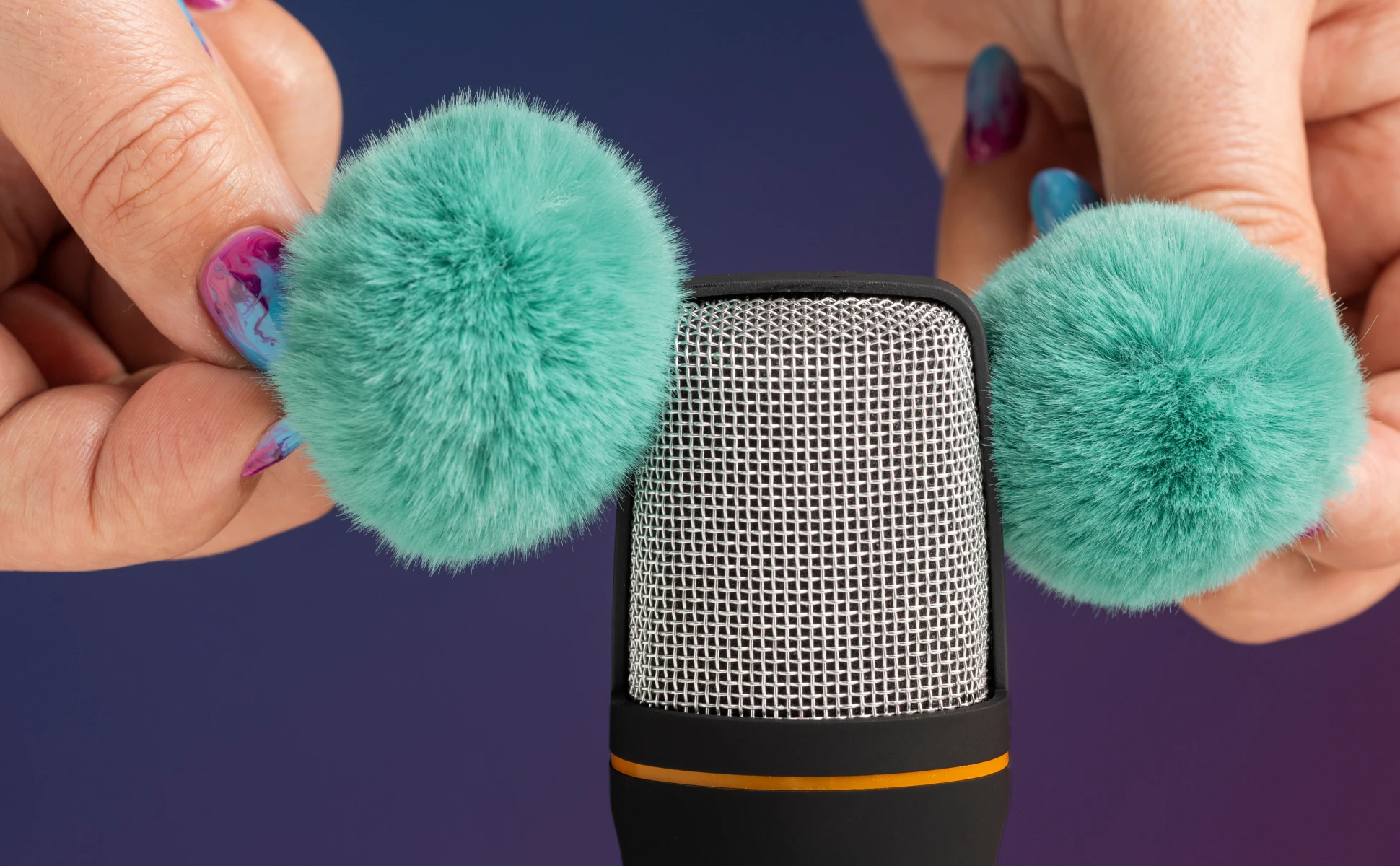
To overcome this gap, advanced sensory marketing leverages crossmodal mental simulation. When high-definition visual handling cues (such as hands unzipping a leather bag or pressing a switch) are precisely synchronized with crisp, high-frequency tactile audio and responsive haptic vibration, the brain's motor cortex triggers a perceptual re-enactment. By retrieving past tactile memories associated with those exact sights and sounds, System 1 cognitive processing simulates the physical sensation of touch, effectively bridging the tactile void and restoring buying confidence.
Why It Matters for Marketers
Overcoming the digital haptic gap directly enhances conversion rates, average order value, and product satisfaction:
- Eliminates pre-purchase hesitation: Simulating touch through sensory surrogates provides online shoppers with implicit proof of build quality, directly lowering abandoned cart rates on high-ticket items.
- Reduces return rates: Bridging the tactile expectation gap ensures customers accurately perceive a product's material density and texture before checkout, decreasing post-purchase disappointment.
- Unlocks mobile feed performance: Integrating tactile audio and visual proximity cues into short-form video ads allows DTC brands to stand out in silent or noisy feeds, making digital media feel physical and tangible.
Real-World Examples: Engineering Around the Digital Haptic Gap
Performance marketers, UX architects, and content strategists systematically deploy tactile surrogates to close the digital haptic gap:
- DTC hands-only video creative: Performance agencies shoot close-up, first-person hands-only product demonstrations, amplifying the crisp crunch of unboxing paper, the snap of magnetic closures, or the stretch of fabric to trigger vivid tactile simulation in feed ads.
- Mobile checkout micro-haptics: E-commerce apps pair custom haptic engine vibrations with subtle visual depth animations during the swipe-to-pay gesture, providing tactile confirmation that mimics pressing a physical payment button.
- Virtual reality & AR commerce: Spatial shopping applications combine real-time hand-tracking visuals with synthesized acoustic friction sounds as users drag virtual objects, making 3D digital renders feel solid and interactable.